Editorial Board
Manuscripts submitted to the International Journal of Clinical Microbiology are handled by editors working in clinical microbiology and the diagnostic disciplines around it. Each member is listed below with their role, institution and country.
Editorial leadership

Senior Scientist, Biomolecular Technologies, Novo Nordisk Research Centre China, Beijing · China
ORCID 0000-0001-7202-6582
The Editor-in-Chief holds editorial responsibility for the journal and for the appointment of its board.
Editorial board
Board members advise on manuscripts within their subject areas and on the journal's direction. A specialty is shown where the member's own published record states one.
-

Professor, Microbiology and Immunology, Stanford University School of Medicine · United States
Bacterial stress physiology and antibiotic tolerance
ORCID 0000-0003-4468-980X
-

Full Professor, Faculty of Biotechnology, German International University, Cairo · Egypt
Microbial enzymology and antimicrobial compounds
ORCID 0000-0002-3708-985X
-

Instructor, Division of Infectious Diseases, Washington University School of Medicine in St. Louis · United States
Enteric bacterial pathogenesis and diarrheal disease
ORCID 0000-0002-2972-6978
-

Professor, Clinical Microbiology, Ankara Üniversitesi, Ankara · Turkey
Diagnostic bacteriology and the laboratory diagnosis of infection
ORCID 0000-0001-9705-1792
-

Karadeniz Technical University Farabi Hospital, Trabzon · Turkey
-

Department of Otolaryngology and Head and Neck Surgery, Clínica Universidad de Navarra, Pamplona · Venezuela
-

Assistant Professor, Bioinformatics and Biotechnology, Government College University Faisalabad · Pakistan
Computational genomics and pathogen bioinformatics
ORCID 0000-0003-4832-4250
-
Botany Department, Faculty of Science, Suez Canal University, Ismailia · Egypt
-
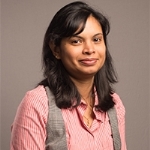
De Montfort University, Leicester · United Kingdom
-

Chung Shan Medical University, Taichung · Taiwan
Hepatitis B virus infection; healthcare-associated multidrug-resistant organisms
ORCID 0000-0001-5842-1121
-
Professor, Instituto de Biofísica Carlos Chagas Filho, Universidade Federal do Rio de Janeiro · Brazil
Clinical parasitology; protozoan pathogens and their cell biology
ORCID 0000-0002-1895-1299
-
University of Bari · Italy
-

Lecturer and Researcher, Pharmaceutical Microbiology and Biotechnology, Nnamdi Azikiwe University, Awka · Nigeria
Pharmaceutical microbiology
ORCID 0000-0002-3103-0910
-

Wenzhou Medical University, Wenzhou · China
How editorial decisions are taken
- Independence
- Editorial decisions are independent of any fee, service, membership or role, and independent of the author's institution, funding or country.Article processing charges are invoiced after acceptance and play no part in the decision. Article processing charges
- Decisions
- Editorial decisions are based on scope, scientific quality, methodological rigor, ethical compliance, reporting quality, and relevance to the journal.
- Review
- All submissions undergo initial editorial screening. Manuscripts that meet the journal's scope and minimum requirements proceed to independent peer review. Single-blind by default; double-blind review is available on request. Manuscripts that proceed to external peer review are normally evaluated by at least two independent subject-matter experts.When double-blind review is requested, editors must ensure that author-identifying information is not shared with reviewers.
- Competing interests
- Editors and reviewers declare competing interests and stand aside from any manuscript in which they hold one. A manuscript from a member of the board is assigned to an editor who is not its author and who holds no interest in it.
- Confidentiality
- A manuscript under consideration is confidential to the people handling it.After submitting the review, reviewers should securely delete downloaded manuscript files and must not retain or use unpublished material.
- Research integrity
- The journal follows COPE guidance in investigating suspected misconduct, and ICMJE criteria for authorship. Work later found to be wrong is corrected, and work that cannot stand is retracted with a notice that remains attached to the record.Editorial policies
What editors assess
Beyond fit with the journal's scope, editors and reviewers weigh the things that decide whether a microbiological claim holds.
The specimen and the method. Whether what was sampled, and the method applied to it, can support the statement being made.
Reference standards and controls. What the method was compared against, and whether positive, negative and contamination controls are stated rather than implied.
Susceptibility methodology. The testing method, the breakpoint set and its version, and the quality-control strains, without which a resistance figure cannot be compared.
Molecular and genomic validity. Platform, coverage, pipeline versions and data accession, and how far a genotypic result can stand against a phenotypic one.
Ethics and privacy. Approval and consent where applicable, and the protection of patient identity in specimens, images and case detail.
Reproducibility and reach. Whether another laboratory could repeat the work, and whether the conclusion stops where the evidence does.
The subject areas the journal accepts are set out on the aims and scope page, and the requirements manuscripts are assessed against on the instructions for authors page.
Related pages
- About the journal
- Aims and Scope
- Editorial Policies
- Current Issue
- Archive
- Instructions for Authors
- Reviewer Guidelines
- Editor Guidelines
Serving as an editor or reviewer
The journal is interested in hearing from researchers working in medical mycology, clinical virology, antimicrobial susceptibility testing and clinical microbial genomics, and from diagnostic laboratory scientists in any of the journal's subject areas. Editors are expected to handle manuscripts in their own field, to declare competing interests, and to decline work they cannot assess.
International Journal of Clinical Microbiology (IJCM) · ISSN 2690-4721 · published open access by Open Access Pub under CC BY 4.0 · Crossref DOI prefix 10.14302. Editorial decisions are independent of any fee, service, membership or role.